Most people only see their doctor a few times a year, or have a provider come to the house every few weeks. If you're living with a condition like heart failure, high blood pressure, or COPD, a lot can change in between. Remote patient monitoring exists to keep an eye on those weeks.
What is remote patient monitoring in simple terms?
RPM is a way for your doctor to follow your health between visits using a home device. You take a reading, the device sends it to your care team, and someone reviews it. No phone setup, no typing numbers into an app. The device does the sending on its own.
Think of it like a smoke detector for your health. You are not staring at it all day. It quietly watches in the background, and it speaks up when something needs attention.
In my house-call practice, I already see patients in their homes. RPM is not about reaching you. It is about the weeks in between, when your last visit is behind you and your next one is not here yet.
Why does monitoring between visits matter if my doctor already comes to me?
Because a lot can change in the four to six weeks between visits, and most of those changes give a warning in your numbers first. RPM watches for that warning during the stretch when no one is in the room with you.
Here is the gap. I see you, everything looks stable, and I leave. Two weeks later your blood pressure starts creeping up, or your weight climbs from fluid. You feel more or less normal, so you would not call. By the time your next visit comes around, a small problem has had a month to grow.
RPM closes that gap. The readings keep coming in while I am not there, so a change that starts in week two gets caught in week two, not at your next appointment. Catching it early usually means a smaller fix: a phone call and a medication adjustment instead of a hospital stay.
What kinds of devices are used for RPM?
The most common RPM devices measure blood pressure, weight, blood sugar, and blood oxygen. They are chosen based on your specific conditions, not handed out as a kit.
| Device | What it measures | Why it matters between visits |
|---|---|---|
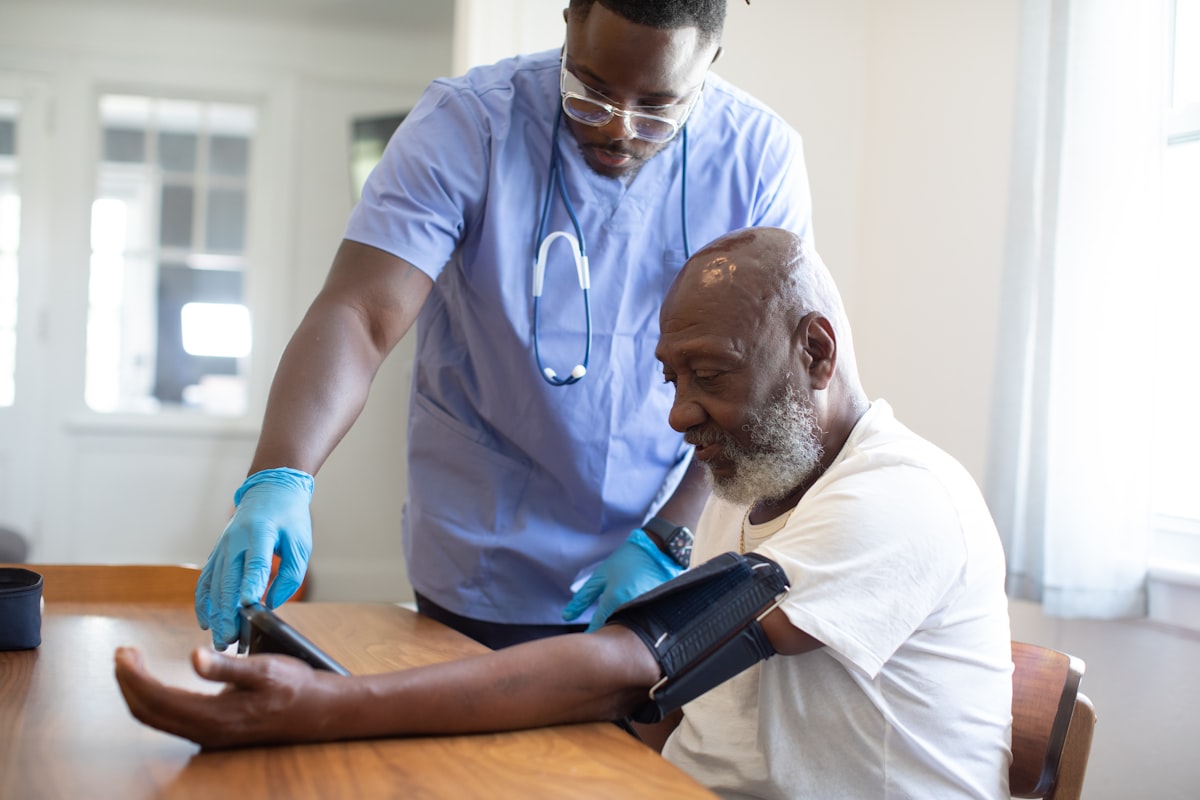
| Blood pressure cuff | Blood pressure and pulse | Catches a slow climb or a dangerous spike before your next appointment |
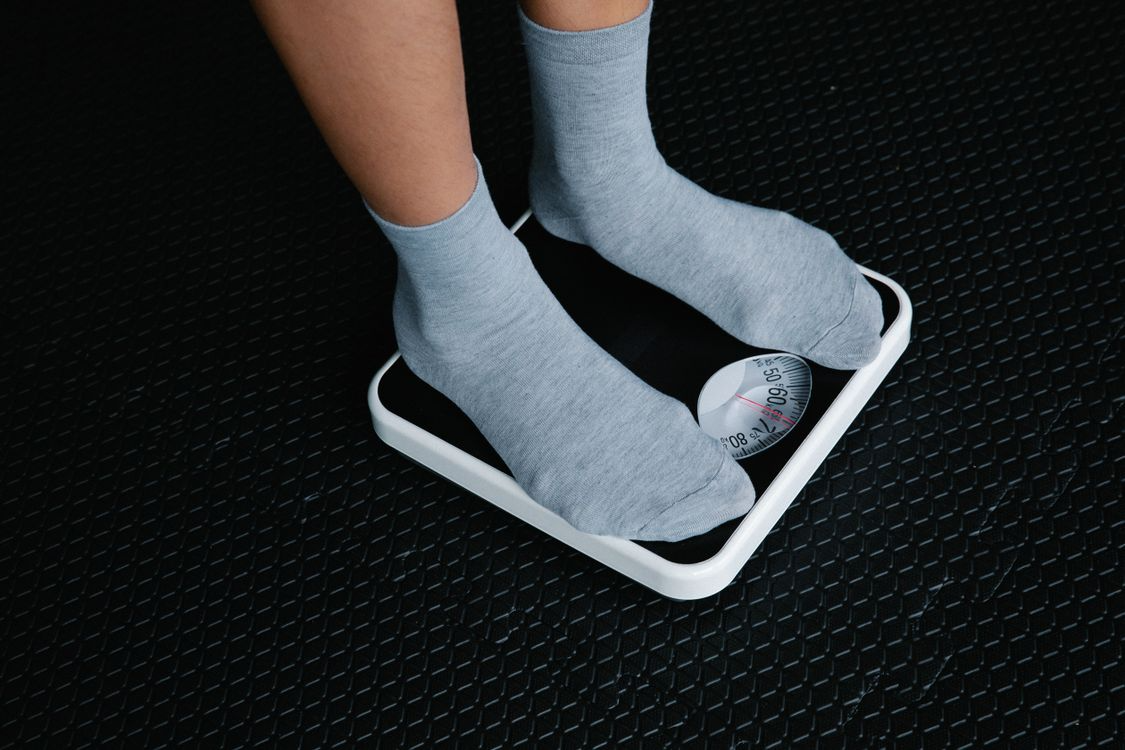
| Weight scale | Daily weight | A few pounds gained in days can mean fluid building up in heart failure |
| Glucometer | Blood sugar | Shows whether your control is slipping while you're home |
| Pulse oximeter | Blood oxygen level | Flags breathing trouble in COPD or heart failure early |
The devices are cellular. That means they send readings over a built-in signal, like a cell phone, so you don't need home internet or WiFi. You turn it on, take your reading, and you're done. Most of my patients are over 70. If a device needs a manual or a login, it's the wrong device.
How does RPM catch a problem early? A real-world example
Here is a composite example, drawn from the kinds of cases we see and shared for illustration. A heart failure patient steps on the scale each morning. Over three days the weight climbs five pounds. The patient feels fine and would not have called anyone, and the next home visit is still two weeks out.
The readings flag the gain. The nurse calls that day. The medication gets adjusted, the fluid comes off, and a hospital trip is avoided. The next scheduled visit happens as planned, with the patient stable instead of in crisis.
Without monitoring, those same five pounds keep climbing until the patient is short of breath and ends up in the emergency room. The numbers were trying to warn everyone days earlier. Nobody was watching.
Do I have to do anything special?
Not much. You take your reading on the schedule your care team sets, usually once a day, and the device handles the rest. There's no app to manage and nothing to send yourself.
If you miss a day, that's normal, and your team will follow up if readings stop coming in. The device is there to support you, not to grade you.
What does RPM cost me?
For most patients with Medicare Part B, RPM is a covered service. Standard Medicare cost-sharing rules apply, which usually means a 20 percent coinsurance after your deductible, unless you have secondary coverage or qualify for a program that covers it. Your care team will go over your specific costs before you start, in writing, so there are no surprises.
Frequently asked questions
Do I need internet or WiFi at home for RPM?
No. The devices use a built-in cellular signal to send readings, the same way a cell phone works. You don't need internet service.
Is someone watching my readings 24 hours a day?
No, and you shouldn't expect that. Your care team reviews readings during business hours and follows up when something looks off. RPM is for managing ongoing conditions between visits, not for emergencies. If you have a medical emergency, call 911.
What happens if my numbers look bad?
Your care team reaches out, usually by phone, to check on you and decide what to do. That might mean adjusting a medication, scheduling an earlier visit, or sending you in for further care.
Can I keep using my own blood pressure cuff?
The RPM program uses a specific connected device so the readings reach your care team automatically. Your own cuff doesn't send data, so it can't be used for the program, though you're welcome to keep using it for your own reference.
Will RPM replace my home visits?
No. You'll still see your provider on your normal schedule. RPM adds a layer of attention in the weeks between those visits.
A simple way to think about it
Picture the weeks between your appointments as a stretch of road with no streetlights. Remote patient monitoring turns the lights on. Someone is paying attention the whole way, not just at the start and the finish. If you or someone you care for is managing a condition like heart failure, high blood pressure, or COPD, ask your doctor whether home monitoring is a fit. If you're a patient of Mobile Health Providers, reach out and we'll walk you through it.

Dr. Wyzscx Patacxil, MD, CWSP
Dr. Patacxil treats homebound and mobility-limited Medicare beneficiaries in their homes, skilled nursing facilities, and assisted living communities across San Bernardino, Riverside, Los Angeles, and Orange counties. His clinical focus includes chronic wound management, chronic care management, and preventive medicine. He writes about wound care, aging, health technology, and what modern house-call medicine actually looks like.
Read more about Dr. Patacxil →This article is for general education and is not medical advice. Reading it does not create a doctor-patient relationship. Talk with a qualified clinician about your specific situation. Mobile Health Providers is an independent medical practice and is not affiliated with or endorsed by Medicare or CMS. Coverage for any service depends on a patient's eligibility and medical necessity, and any cost-sharing depends on your individual Medicare coverage. CA Medical License A133325.