GLP-1 medications like Ozempic, Wegovy, Mounjaro, and Zepbound copy a natural hormone your gut releases after you eat. They started as diabetes drugs. As of 2026, the FDA has approved them for six different conditions, and in one major trial, semaglutide cut the risk of heart attack and stroke by 20% in people with heart disease and obesity.
I'm Dr. Wyzscx Patacxil, a house-call physician and wound care specialist in Southern California. My patients and their families ask me about these medications almost every week. This guide answers the questions I hear most, in plain language. I wrote a more technical version for medical providers, which you can read here.
What is a GLP-1 medication and how does it work?
A GLP-1 medication is a lab-made copy of a hormone called glucagon-like peptide-1, which your gut releases naturally after a meal. The drug versions last much longer in your body than the natural hormone does.
Think of it like a thermostat for appetite and blood sugar. When the medication is active, four things happen at once. Your pancreas releases insulin when your blood sugar rises. Your liver puts less stored sugar into your blood. Your stomach empties more slowly, so you feel full longer. And your brain gets a signal that you've had enough to eat.
The receptors these drugs act on aren't only in your pancreas. They're also in your brain, gut, kidneys, heart, and blood vessels. That's why researchers keep finding benefits beyond blood sugar.
The common names you'll hear: semaglutide (sold as Ozempic, Wegovy, and Rybelsus), tirzepatide (sold as Mounjaro and Zepbound), dulaglutide (Trulicity), and liraglutide (Victoza, Saxenda). Ozempic and Wegovy contain the same active drug, semaglutide, at different doses and for different approved uses.
Is Ozempic only for diabetes?
No. Diabetes was the first approved use, starting in 2005 with this drug class, but the list has grown every year since. Here's where things stand as of mid-2026:
| Condition | Medication | Approved |
|---|---|---|
| Type 2 diabetes | Semaglutide, tirzepatide, dulaglutide, liraglutide, exenatide | 2005 onward |
| Chronic weight management | Wegovy, Zepbound | 2021, 2023 |
| Heart protection (obesity plus heart disease) | Wegovy | March 2024 |
| Obstructive sleep apnea | Zepbound | December 2024 |
| Kidney disease from diabetes | Ozempic | 2025 |
| MASH, a serious fatty liver disease | Wegovy | August 2025 |
The FDA is also reviewing new uses in 2026, including peripheral artery disease (poor blood flow to the legs) and a common form of heart failure. Those aren't approved yet.
Can these medications protect my heart and kidneys?
Yes, for certain patients, and this is backed by large trials, not marketing. The SELECT trial, published in the New England Journal of Medicine, found that semaglutide reduced heart attacks, strokes, and heart-related deaths by 20% in people who had heart disease and obesity but did not have diabetes. That result is why the FDA approved Wegovy for heart protection in March 2024.
The kidneys got their own trial. In the FLOW study, semaglutide lowered the risk of worsening kidney disease, kidney failure, and cardiovascular death in adults with type 2 diabetes and chronic kidney disease.
For the liver, a 2025 study known as ESSENCE found that semaglutide resolved liver inflammation in 62.9% of patients with a serious fatty liver condition called MASH, compared to 34.3% who got a placebo. The results ran in the New England Journal of Medicine.
None of this means the drug is right for you. It means the benefits are real and measured, and worth a conversation with your doctor if you have any of these conditions.
Can GLP-1 medications help with knee pain and walking?
Early evidence says they can help some people, mostly by reducing the weight your joints carry. A 2024 trial in the New England Journal of Medicine (Bliddal and colleagues) found that people with obesity and knee arthritis who took weekly semaglutide had a much larger drop in knee pain scores than people on placebo.
Walking is a separate story, and it matters to my patients. The STRIDE trial, published in The Lancet in 2025, studied 792 people with type 2 diabetes and painful leg artery disease. After a year on semaglutide, they could walk meaningfully farther than the placebo group.
Here's my own observation from house calls, and I want to be clear it's an observation, not proof. In my practice, some wound care patients on these medications seem to heal more predictably and move around better. There is no FDA approval for wound healing, and no one should start a GLP-1 expecting it to close a wound.
Do I have to give myself shots?
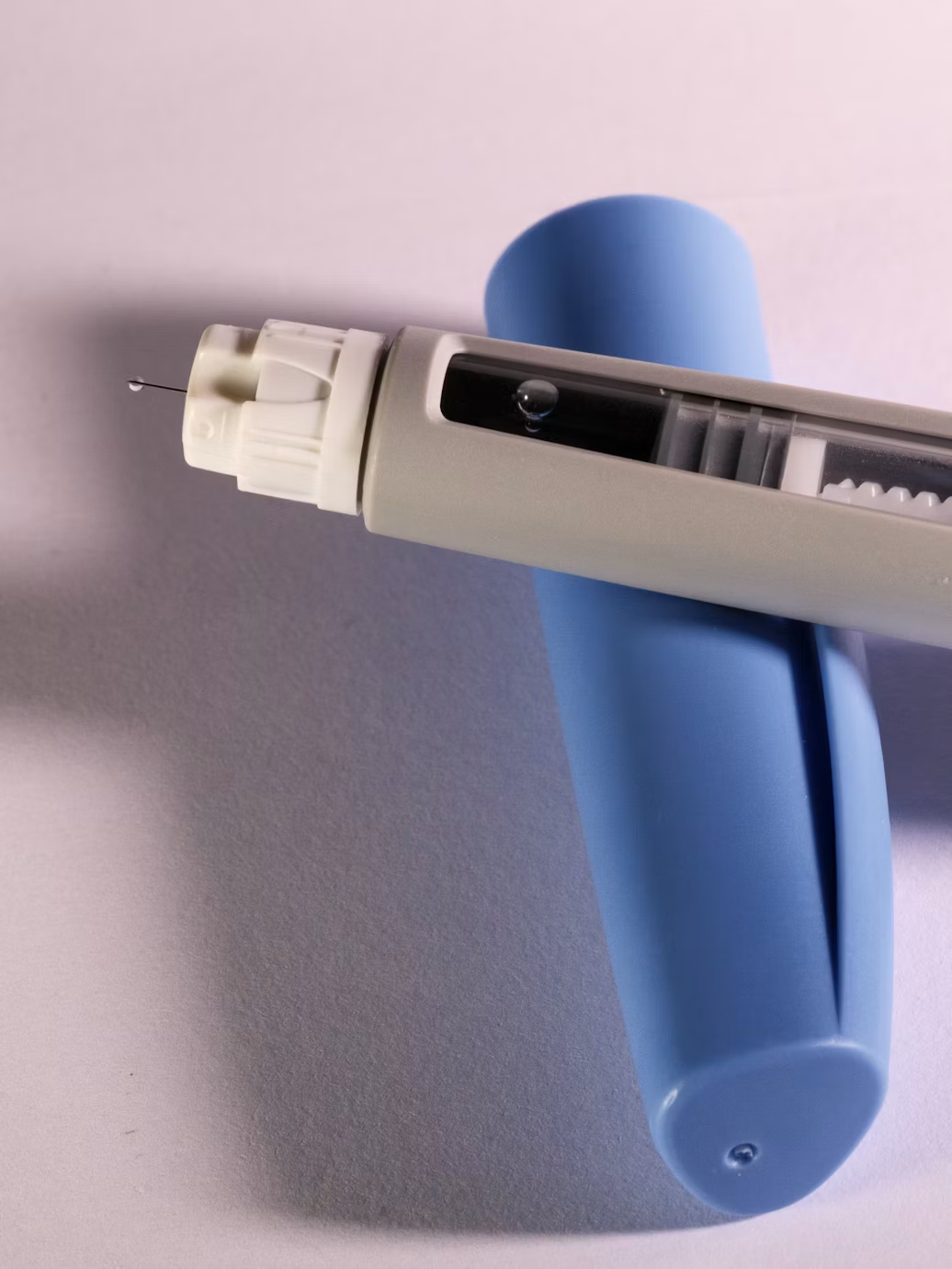
Not anymore. For years these drugs were weekly or daily injections with a very small needle. Two pills have changed that.
In December 2025, the FDA approved an oral version of Wegovy, a 25 mg daily tablet of semaglutide. In the trial behind it, called OASIS-4, people lost an average of 13.6% of their body weight over 64 weeks, compared to 2.2% with placebo.
In April 2026, the FDA approved orforglipron, sold as Foundayo, for obesity. It's the first GLP-1 pill that isn't a peptide, which is chemistry-speak for a pill that's simpler to make and take.
If needles were the reason you never asked about these drugs, that reason is gone.
What are the side effects, and who should not take them?
The most common side effects are stomach-related: nausea, vomiting, diarrhea, and constipation. These usually improve as your body adjusts, especially when your doctor raises the dose slowly. Some people never get past them, and that's a valid reason to stop.
A few situations call for real caution or ruling the drugs out:
- Do not take a GLP-1 if you or a close family member has had medullary thyroid cancer or a genetic condition called MEN2. This is a hard stop.
- Tell your surgeon and anesthesia team if you take one of these drugs. They slow stomach emptying, and the FDA updated the Wegovy label to warn about food entering the lungs during anesthesia.
- If you've had pancreatitis, talk it through with your doctor. The research is mixed, and this decision needs your full history.
- If you have diabetic eye disease, get an eye exam before starting. Fast blood sugar improvement can temporarily worsen it.
- Gallbladder problems can show up with rapid weight loss. Report new belly pain, especially on the upper right side.
My rule for my own patients is simple: the medication list and the surgery schedule need to know about each other. I've seen too many patients whose anesthesia team learned about their weekly injection the morning of a procedure.
What happens if I stop taking the medication?
Most of the weight comes back. In the STEP 1 extension study, people who stopped semaglutide regained about two thirds of the weight they had lost within one year.
That's not a personal failure. It's biology. These conditions are chronic, and the medication works while you take it, the same way blood pressure pills do. Plan for the long term with your doctor before you start, including what the monthly cost looks like after any coupons or trial pricing end.
Will Medicare or insurance pay for these medications?
Sometimes, and the rules changed recently. Starting July 1, 2026, a new Medicare pricing arrangement set the cost of Wegovy, Zepbound, and Foundayo at $50 per month for eligible beneficiaries. Coverage still depends on your eligibility, your specific plan, and medical necessity as documented by your doctor. It is not automatic, and it is not free for everyone.
We wrote a separate plain-language article walking through the Medicare details: Medicare GLP-1 Bridge: what patients need to know. Mobile Health Providers is not affiliated with or endorsed by Medicare.
Frequently asked questions
Are Ozempic and Wegovy the same drug?
Can a GLP-1 medication heal my wound?
Is it safe to be on one of these drugs before surgery?
How do I know if I qualify for the $50 Medicare price?
Do the pills work as well as the shots?
Questions worth asking your doctor before you start
- Which of my health conditions could this medication actually help, based on the approved uses?
- Is there anything in my history, like thyroid cancer in the family or past pancreatitis, that rules it out?
- What will it cost me per month after the first 90 days?
- What's the plan if I can't tolerate the stomach side effects?
- What happens to my results if I need to stop?
Bring this list to your next visit. A ten-minute conversation now beats a surprise at the pharmacy counter later.
About the author
Dr. Wyzscx Patacxil, MD, CWSP, is the physician-owner of Mobile Health Providers, a house-call primary care and advanced wound care practice serving patients across San Bernardino, Riverside, Los Angeles, and Orange counties. He treats homebound and mobility-limited Medicare beneficiaries in their homes, skilled nursing facilities, and assisted living communities. His clinical focus includes chronic wound management, chronic care management, and preventive medicine.
This article is for education only and is not medical advice. Talk with your own doctor before starting, stopping, or changing any medication. Mobile Health Providers is not affiliated with or endorsed by Medicare.