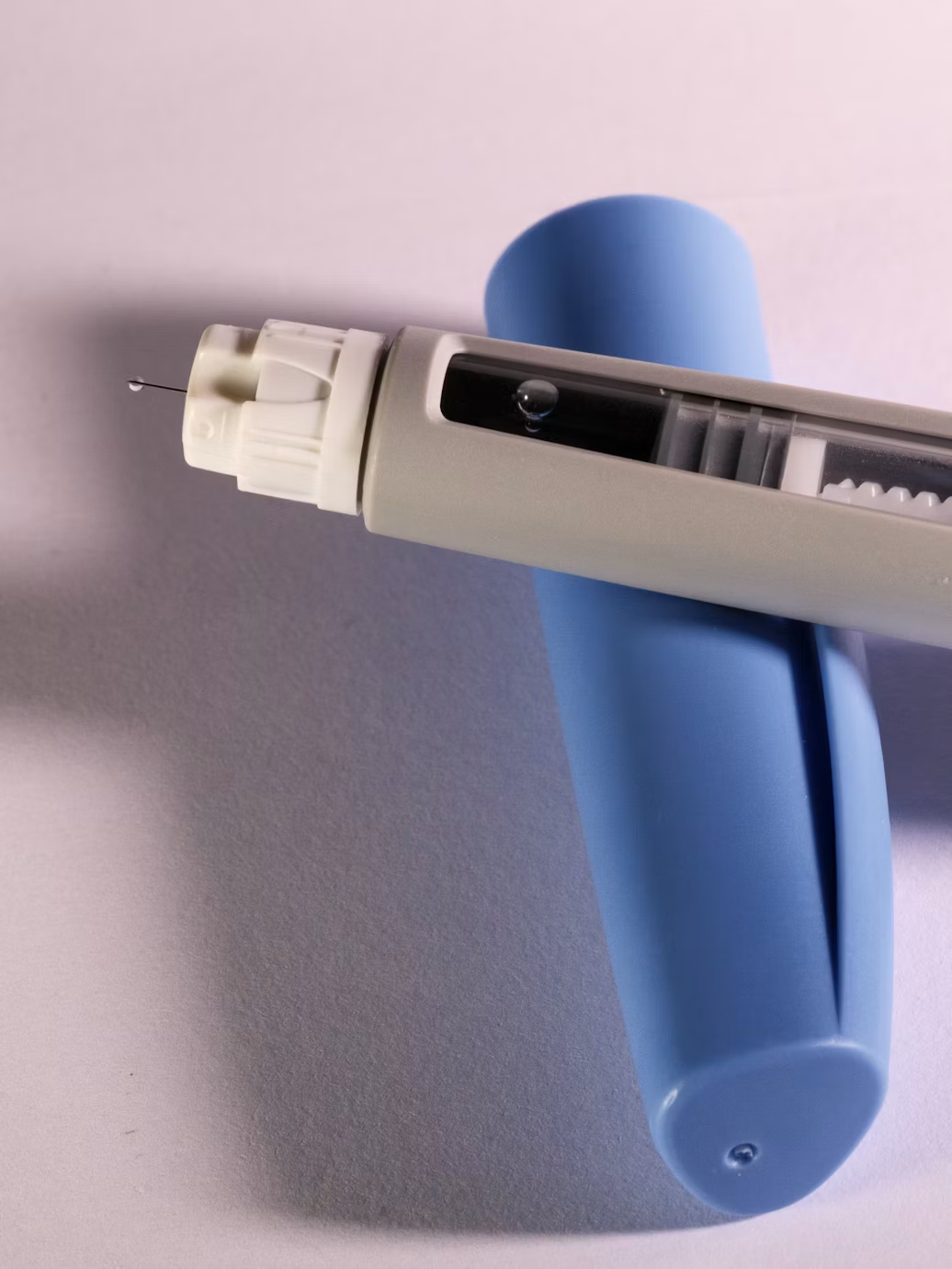
GLP-1 receptor agonists now carry FDA-approved indications across six distinct clinical domains, with oral formulations expanding access, and the list is growing faster than most providers can track. If you still think of semaglutide or tirzepatide as diabetes drugs with a convenient weight loss side effect, you're working with an incomplete picture. The cardiovascular, renal, hepatic, musculoskeletal, and vascular data that's emerged since 2024 changes how we should think about these medications for the complex, multi-morbid patients we share.
I'm writing this from the wound care side. I see the downstream consequences of unmanaged metabolic disease every day: diabetic foot ulcers that won't close, venous stasis wounds complicated by obesity and immobility, peripheral artery disease that starves tissue of oxygen. What I've observed clinically in patients on GLP-1 therapy, and what the published data now supports, is that these drugs may be doing something far more useful than lowering A1c.
How do GLP-1 receptor agonists work?
GLP-1 (glucagon-like peptide-1) is an incretin hormone your gut releases after eating. It does four things simultaneously: stimulates glucose-dependent insulin secretion from pancreatic beta cells, suppresses glucagon release, slows gastric emptying, and signals satiety through central nervous system pathways. The synthetic GLP-1 receptor agonists mimic this hormone but last far longer in circulation.
Here's what matters for the referring provider: GLP-1 receptors aren't limited to the pancreas. They're expressed in the brain, GI tract, kidneys, heart, and vasculature. That receptor distribution explains why a drug originally designed for blood sugar control produces measurable effects across so many organ systems. You're not seeing "side effects." You're seeing on-target activity at receptors throughout the body.
The newer agents push this further. Tirzepatide (Mounjaro, Zepbound) is a dual GLP-1/GIP receptor agonist. Pipeline drugs like survodutide target GLP-1 and glucagon receptors. Retatrutide is a triple agonist. The pharmacology is getting more sophisticated, and the clinical indications are following.
What are the current FDA-approved indications?
Six distinct indications have FDA approval as of mid-2026. Here's the current map:
| Indication | Agent(s) | Landmark Trial | FDA Approval |
|---|---|---|---|
| Type 2 diabetes | Semaglutide, tirzepatide, dulaglutide, liraglutide, exenatide | Multiple | 2005 onward |
| Chronic weight management | Semaglutide (Wegovy), tirzepatide (Zepbound) | STEP, SURMOUNT | 2021, 2023 |
| CV risk reduction (obesity + CVD) |
Semaglutide (Wegovy) | SELECT | March 2024 |
| Obstructive sleep apnea | Tirzepatide (Zepbound) | SURMOUNT-OSA | December 2024 |
| Diabetic nephropathy / CKD | Semaglutide (Ozempic) | FLOW | 2025 |
| MASH (fatty liver disease) |
Semaglutide (Wegovy) | ESSENCE | Aug 2025 (accelerated) |
A note on access: the weight management and CV risk reduction indications are now available in oral form. Oral semaglutide (Wegovy 25 mg tablet) received FDA approval in December 2025, and orforglipron (Foundayo), the first small-molecule non-peptide oral GLP-1 RA, was approved in April 2026 for obesity. These are new formulations and new agents, not new indications, but they remove the injection barrier for many patients.
Still pending in 2026: Mounjaro for MACE reduction in type 2 diabetes, Ozempic for peripheral artery disease, and Wegovy for heart failure with preserved ejection fraction (HFpEF).
What does the data show beyond glucose and weight?
The clinical evidence has expanded rapidly across several domains. Here's where it stands.
Cardiovascular risk reduction
The SELECT trial established that semaglutide reduces major adverse cardiovascular events (MACE) by 20% in patients with established CVD and obesity, independent of diabetes status. LEADER, SUSTAIN-6, and REWIND established similar cardiovascular benefits for liraglutide, semaglutide, and dulaglutide respectively in diabetic populations. This is no longer preliminary data. Multiple guidelines now recommend GLP-1 RAs as preferred agents in patients with type 2 diabetes and established cardiovascular disease.
Chronic kidney disease
The FLOW trial showed semaglutide reduced the risk of kidney disease worsening, kidney failure, and cardiovascular death in adults with type 2 diabetes and CKD. This led to a 2025 FDA approval for Ozempic in diabetic nephropathy.
MASH (metabolic dysfunction-associated steatohepatitis)
The ESSENCE trial reported that semaglutide 2.4 mg produced resolution of steatohepatitis without worsening fibrosis in 62.9% of patients with biopsy-confirmed MASH, compared to 34.3% with placebo. The FDA granted accelerated approval for this indication in August 2025, contingent on confirmatory data. The 2026 ADA Standards of Care now recommend GLP-1 RAs as preferred agents for patients with type 2 diabetes and biopsy-proven MASH or high fibrosis risk.
Peripheral artery disease and tissue perfusion
This is where the data gets personally relevant. The STRIDE trial (published in The Lancet, 2025) enrolled 792 patients with type 2 diabetes and symptomatic PAD. Semaglutide 1 mg weekly for 52 weeks significantly improved walking distance and hemodynamic parameters compared to placebo.
The STARDUST trial, a small open-label study (n=55, published in JAMA Network Open, 2024), showed liraglutide improved transcutaneous oxygen pressure (TcPO2) in people with type 2 diabetes and PAD, a direct measure of tissue-level perfusion. Observational data from TriNetX database studies have also examined GLP-1 RA associations with wound healing in diabetic foot ulcer patients and venous ulcer outcomes, with early signals suggesting fewer major complications and better healing trajectories. A 2026 systematic review and meta-analysis by Dutta et al. in Diabetes, Obesity and Metabolism found GLP-1 RA-based therapies associated with reduced major adverse limb events in patients with PAD and type 2 diabetes.
Osteoarthritis
A 2024 NEJM trial (Bliddal et al.) showed semaglutide reduced knee pain in patients with obesity and knee osteoarthritis, with a mean WOMAC pain score change of -41.7 vs. -27.5 with placebo. Emerging preclinical research suggests the benefit may go beyond mechanical offloading from weight loss. Early animal model data points to possible direct effects of GLP-1 receptor agonism on cartilage metabolism and inflammation, though the specific mechanisms and their relevance to human disease are still being characterized. A 2025 cost-effectiveness analysis in Annals of Internal Medicine (Betensky et al.) found both agents cost-effective for knee OA in patients with obesity at a $100,000/QALY threshold, with tirzepatide providing greater health benefits at lower cost than semaglutide.
Neurodegenerative disease: watch this space
Preclinical models showed promising neuroprotective signals for both Alzheimer's and Parkinson's disease. But the EVOKE and EVOKE+ trials of oral semaglutide in early Alzheimer's, published in The Lancet in March 2026, failed to show meaningful cognitive benefit. Exenatide and lixisenatide showed some motor benefits in Parkinson's in smaller trials. The research continues, but this indication isn't ready for clinical decision-making yet.
What are wound care providers seeing in practice?
In my mobile wound care practice, I've observed a consistent pattern in patients who are on GLP-1 RA therapy: wounds track toward closure more predictably, functional mobility improves, osteoarthritis-related pain decreases, and their overall clinical trajectory trends upward. These are clinical observations, not controlled data. I'm not presenting them as evidence.
The published literature supports what we're seeing at the bedside. That alignment between bench science, clinical trials, and real-world observation is hard to ignore.
But they're consistent with the mechanistic picture the trials are building. Reduced systemic inflammation. Improved peripheral perfusion. Metabolic normalization across multiple organ systems. And now, data suggesting direct angiogenic and chondroprotective effects that operate independently of weight loss alone.
What are the contraindications and safety concerns providers should know?
GLP-1 RAs are generally well-tolerated, but there are specific contraindications and safety signals every prescriber needs to track.
Hard contraindications: personal or family history of medullary thyroid carcinoma (MTC) or Multiple Endocrine Neoplasia type 2 (MEN2). GLP-1 RAs caused thyroid C-cell tumors in rodent studies. While human causation hasn't been established, cases of MTC have been reported in post-marketing surveillance with liraglutide.
GI effects are the most common reason patients stop therapy. Nausea, vomiting, diarrhea, and constipation are dose-dependent and usually transient with slow titration. These are class effects.
Pancreatitis was an early concern. Recent large meta-analyses from cardiovascular outcomes trials have not confirmed a class-wide pancreatitis risk, and a 2025 review by Mehta et al. in the Cleveland Clinic Journal of Medicine argued that withholding GLP-1 RAs from patients with a history of pancreatitis appears unwarranted based on current trial data. That said, the FDA prescribing information for semaglutide still advises against use in patients with a history of pancreatitis, and a 2025 retrospective cohort study (Calvarysky et al., Diabetes/Metabolism Research and Reviews) found GLP-1 analogue use was independently associated with a 29% increased risk of recurrent pancreatitis in patients with prior pancreatitis or elevated lipase. The clinical takeaway: some experts are questioning the blanket restriction, but the label hasn't changed, and the observational signal warrants caution. Rapid weight loss itself is an independent pancreatitis risk factor. Discontinue therapy if acute pancreatitis is suspected.
Thyroid cancer risk remains under surveillance. Long-term data may clarify whether the rodent signal translates to humans.
Diabetic retinopathy can worsen with rapid glycemic improvement. Screen before initiating GLP-1 RA therapy in patients with poorly controlled diabetes.
Perioperative aspiration risk is a newer addition to the labeling. GLP-1 RAs delay gastric emptying, and reports of pulmonary aspiration during general anesthesia prompted updated guidance. Patients should inform their surgical teams about GLP-1 RA use.
Gallbladder events are increasingly reported with long-acting agents, particularly in the setting of rapid weight loss.
Psychiatric effects (including suicidal ideation signals) are under post-marketing surveillance. The causal relationship is not established, but updated labeling reflects the signal.
Why should this matter to you as a referring provider?
Wound care is not just about dressings and topical agents applied to a wound surface. It's about understanding how systemic conditions, often managed by other members of the care team, directly affect whether tissue heals or deteriorates.
GLP-1 receptor agonists sit at an intersection most providers don't immediately connect. A medication prescribed by the endocrinologist or PCP for glucose control may be influencing peripheral perfusion, systemic inflammation, and tissue repair in ways that directly affect wound outcomes. The STRIDE data on walking capacity in PAD patients. The observational findings on wound healing trajectories. The perfusion improvements in STARDUST. These aren't abstract cardiovascular endpoints. They're the physiologic conditions that determine whether your patient's wound closes or stalls.
Frequently asked questions
Can I start a GLP-1 RA in a patient with a history of pancreatitis?
This is an evolving question. Large meta-analyses from cardiovascular outcomes trials have not confirmed a class-wide pancreatitis risk, and a 2025 review (Mehta et al., CCJM) argued that withholding GLP-1 RAs from these patients appears unwarranted. However, the FDA prescribing information for semaglutide still advises against use in patients with a history of pancreatitis, and a 2025 retrospective study (Calvarysky et al.) found a 29% increased recurrence risk. Weigh the individual patient's risk-benefit profile, monitor closely, and discontinue if pancreatitis recurs.
Do I need to hold semaglutide or tirzepatide before surgery?
The FDA updated Wegovy's labeling to include a warning about pulmonary aspiration during general anesthesia or deep sedation. The American Society of Anesthesiologists has issued guidance on GLP-1 RA management perioperatively. Patients should inform their anesthesia team, and elective procedures may require medication adjustment based on institutional protocols.
Are oral GLP-1 RAs as effective as injectables?
Oral semaglutide (Wegovy 25 mg pill) received FDA approval in December 2025 for weight management and cardiovascular risk reduction. The OASIS-4 trial showed a mean body weight reduction of 13.6% from baseline at 64 weeks, compared to 2.2% with placebo. Orforglipron (Foundayo), a non-peptide oral GLP-1 RA, was approved in April 2026 for obesity. Oral options are catching up to injectables.
What happens when a patient stops the medication?
Weight regain after discontinuation is well-documented. The STEP 1 extension study showed that participants regained approximately two-thirds of their prior weight loss (11.6 of 17.3 percentage points) within one year of stopping semaglutide. This has implications for chronic disease management, not just weight loss.
Is there a role for GLP-1 RAs in patients with wounds or PAD?
Emerging evidence suggests yes. The STRIDE trial showed improved walking capacity and hemodynamics in PAD patients on semaglutide. Observational database studies show associations between GLP-1 RA use and improved wound healing in diabetic foot ulcers and venous ulcers, and a 2026 meta-analysis found reduced major adverse limb events. If your patient has wounds or PAD and meets criteria for a GLP-1 RA, the vascular and tissue-level benefits may extend beyond metabolic control.
References
- Bonaca MP et al. "Semaglutide and walking capacity in people with symptomatic peripheral artery disease and type 2 diabetes (STRIDE)." The Lancet. 2025;405(10489):1580-1593. doi:10.1016/S0140-6736(25)00509-4.
- Sanyal AJ, Newsome PN, Kliers I, et al. "Phase 3 Trial of Semaglutide in Metabolic Dysfunction-Associated Steatohepatitis." NEJM. 2025;392(21):2089-2099. doi:10.1056/NEJMoa2413258. (ESSENCE trial; FDA accelerated approval August 2025.)
- Perkovic V, Tuttle KR, Rossing P, et al. "Effects of Semaglutide on Chronic Kidney Disease in Patients with Type 2 Diabetes." NEJM. 2024;391(2):109-121. doi:10.1056/NEJMoa2403347. (FLOW trial; FDA approval 2025.)
- SELECT trial. Semaglutide for cardiovascular risk reduction in obesity and CVD. FDA approval March 2024.
- Caruso P et al. "Liraglutide for lower limb perfusion in people with type 2 diabetes and peripheral artery disease: the STARDUST randomized clinical trial." JAMA Network Open. 2024;7(3):e241545. doi:10.1001/jamanetworkopen.2024.1545. (Open-label, n=55.)
- Dutta D, Mahajan K, et al. "Impact of GLP-1 receptor agonism-based therapies on limb outcomes in peripheral artery disease and type 2 diabetes: an updated systematic review and meta-analysis." Diabetes, Obesity and Metabolism. 2026;28(3):2075-2084. doi:10.1111/dom.70391.
- Bliddal H, Bays H, Czernichow S, et al. "Once-Weekly Semaglutide in Persons With Obesity and Knee Osteoarthritis." NEJM. 2024;391(17):1573-1583. doi:10.1056/NEJMoa2403664.
- Betensky DJ et al. "The Cost-Effectiveness of Semaglutide and Tirzepatide for Patients With Knee Osteoarthritis and Obesity." Annals of Internal Medicine. 2025;178:1549-1560. doi:10.7326/ANNALS-24-03609.
- Cummings JL, Atri A, Sano M, et al. "Efficacy and Safety of Oral Semaglutide 14 mg in Early-Stage Symptomatic Alzheimer's Disease (EVOKE and EVOKE+)." The Lancet. 2026. doi:10.1016/S0140-6736(26)00459-9.
- Wharton S, Lingvay I, Bogdanski P, et al. "Oral Semaglutide at a Dose of 25 mg in Adults with Overweight or Obesity." NEJM. 2025;393(11):1077-1087. doi:10.1056/NEJMoa2500969. (OASIS-4 trial.)
- Drucker DJ et al. "The science of safety: adverse effects of GLP-1 receptor agonists." Journal of Clinical Investigation. 2025. doi:10.1172/JCI194740.
- FDA prescribing information: Ozempic (semaglutide), Wegovy (semaglutide), Zepbound (tirzepatide). accessdata.fda.gov.
- Gonzalez-Rellan MJ, Drucker DJ. "New Molecules and Indications for GLP-1 Medicines." JAMA. 2025;334(14):1231-1234. doi:10.1001/jama.2025.14392.
- Mehta et al. "Glucagon-like peptide-1 receptor agonists and pancreatitis: A reconcilable divorce." Cleveland Clinic Journal of Medicine. 2025;92(8):483.
- Calvarysky B, Gal Y, Kushnir S, et al. "Glucagon-Like Peptide-1 Analogues and the Risk of Recurrent Pancreatitis in Diabetic Patients With History of Pancreatitis or Elevated Lipase." Diabetes/Metabolism Research and Reviews. 2025. doi:10.1002/dmrr.70116.
- Wilding JPH et al. "Weight regain and cardiometabolic effects after withdrawal of semaglutide: the STEP 1 trial extension." Diabetes, Obesity and Metabolism. 2022;24:1553-1564. doi:10.1111/dom.14725.

Dr. Wyzscx Patacxil, MD, CWSP
Dr. Patacxil treats homebound and mobility-limited Medicare beneficiaries in their homes, skilled nursing facilities, and assisted living communities across San Bernardino, Riverside, Los Angeles, and Orange counties. His clinical focus includes chronic wound management, chronic care management, and preventive medicine. He writes about wound care, aging, health technology, and what modern house-call medicine actually looks like.
Read more about Dr. Patacxil →This article is written for clinical professionals and is intended as an educational summary, not a substitute for primary literature, institutional guidelines, or your own clinical judgment. Drug indications and labeling change; verify current FDA prescribing information before initiating therapy. Mobile Health Providers is not affiliated with or endorsed by Medicare. CA Medical License A133325.